
Seasonal inventory can bring increased sales and new opportunities for your business, but it can also create challenges when your warehouse space becomes crowded. Whether you are preparing for the holiday season, a busy summer period, or a seasonal business rush, effective inventory management can help you stay organized, improve efficiency, and make the most of your warehouse space.
1. Plan Ahead for Seasonal Demand
Start preparing several weeks or months before your busiest season. Review previous sales data to identify which products typically experience increased demand. This can help you determine how much inventory you may need and prevent unnecessary overstocking.
Creating a seasonal inventory forecast also gives you time to arrange additional storage space if your current warehouse cannot accommodate the expected volume.
2. Organize Inventory by Demand
Keep your most frequently accessed products in locations that are easy to reach. Seasonal items that will be moved regularly should be positioned near loading areas or other convenient locations.
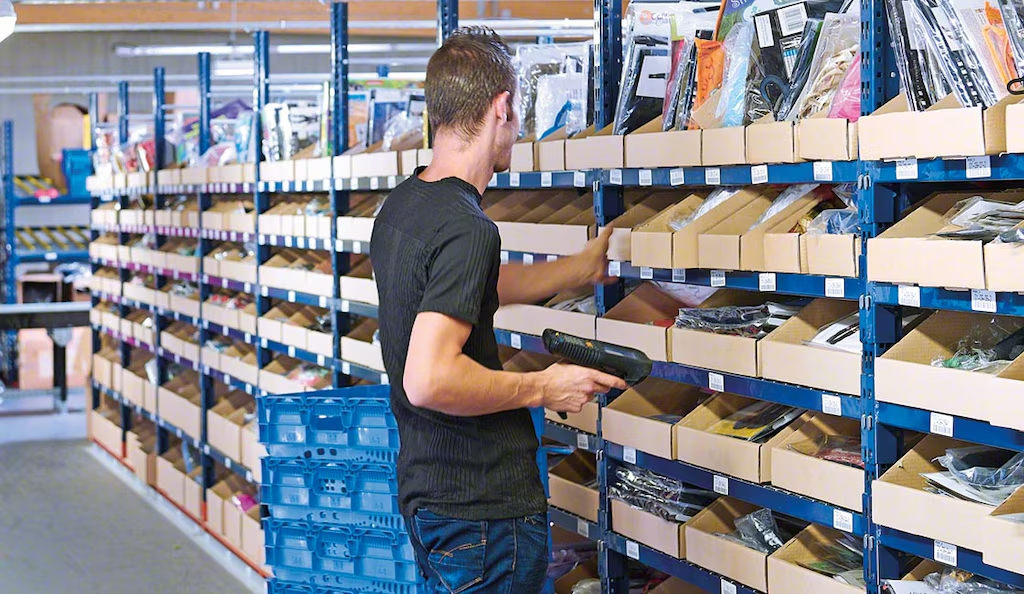
Use clear labels, aisle markers, and consistent storage systems so employees can quickly find products when orders increase.
3. Use Vertical Space Efficiently
When floor space is limited, look upward. Shelving and properly installed storage systems can help you maximize the available vertical space in your warehouse.
Before adding shelving or other storage equipment, make sure it is appropriate for your space and does not interfere with doors, sprinklers, lighting, walkways, or other building requirements.
4. Keep Aisles and Access Areas Clear
A busy season is not the time to sacrifice safety for additional storage. Keep aisles, exits, loading areas, and access points clear of inventory and equipment.
A well-organized warehouse allows employees to move products safely and efficiently while reducing the risk of accidents or damaged merchandise.
5. Track Inventory Regularly
Seasonal inventory can move quickly, making accurate tracking especially important. Conduct regular inventory counts and update your records whenever products arrive, move, or ship.
Consider using inventory management software, barcode systems, or another tracking method that fits your business. Accurate records can help prevent stockouts, over-ordering, and misplaced products.
6. Create a Plan for Incoming Deliveries
Seasonal inventory often means more deliveries. Coordinate receiving schedules with suppliers and make sure your team has enough space to receive and process incoming shipments.
Avoid allowing boxes and pallets to accumulate in areas intended for regular operations. Having a designated receiving area can make the process much more efficient.
7. Prepare for Post-Season Inventory
Your inventory plan should not end when the busy season is over. Determine what will happen to leftover seasonal products.
Separate items that need to be returned, discounted, transferred, or stored for the following year. Removing obsolete or unnecessary inventory can free up valuable warehouse space.
8. Consider Additional Storage Space
If seasonal inventory consistently exceeds your available capacity, additional warehouse or storage space may be a practical solution. Renting extra space for a limited period can help your business handle seasonal demand without committing to a larger permanent facility.
When evaluating additional space, consider accessibility, security, loading capabilities, unit size, and how easily your team can access inventory.
Make Your Seasonal Inventory Work for You
Effective seasonal inventory management comes down to preparation, organization, and having enough space to support your operations. By forecasting demand, organizing products strategically, maintaining clear access areas, and planning for both peak season and post-season inventory, warehouse tenants can operate more efficiently throughout the year.
If your business needs additional space during busy seasons, exploring flexible warehouse or storage options can help you stay organized while giving your inventory room to grow.