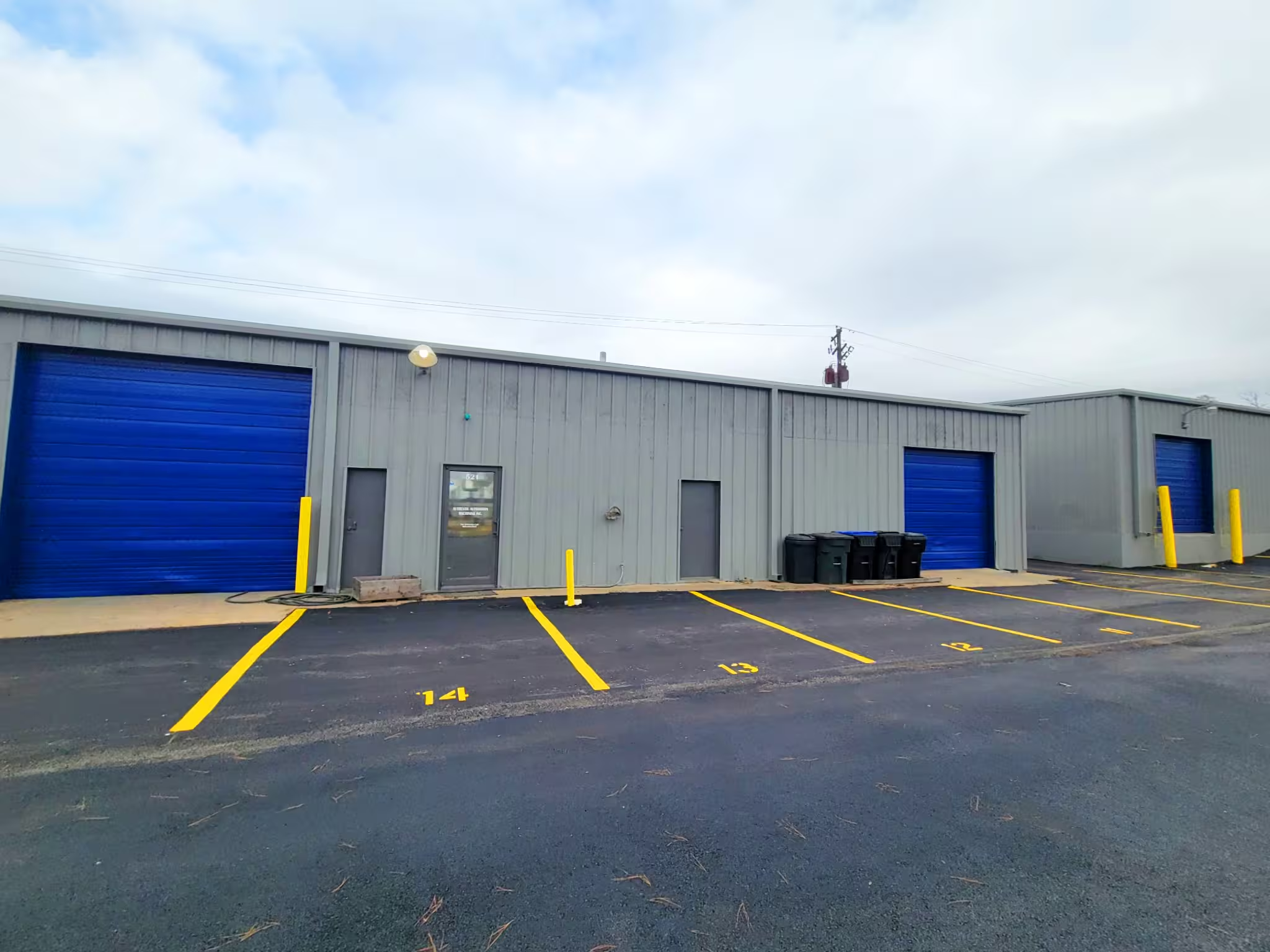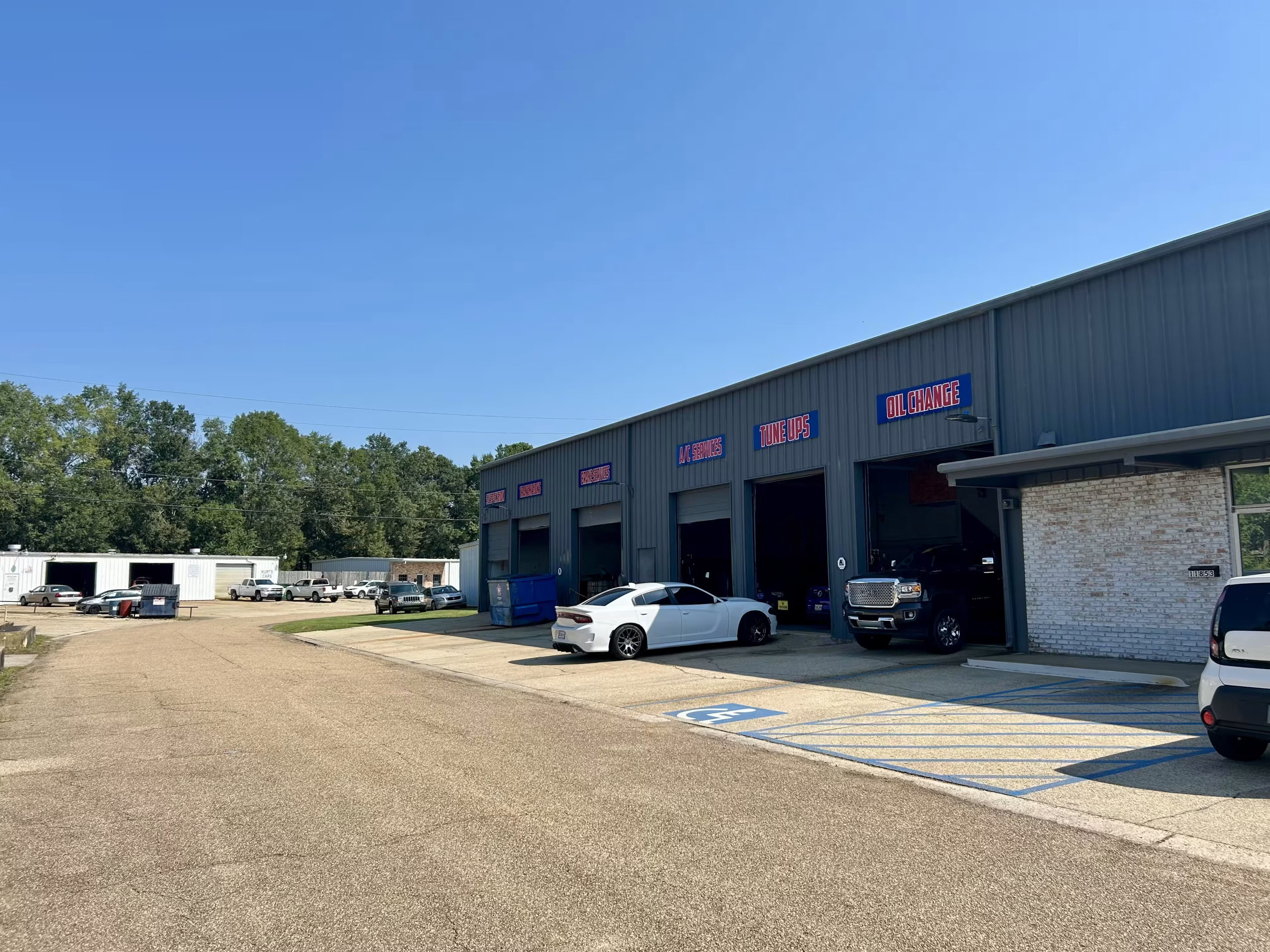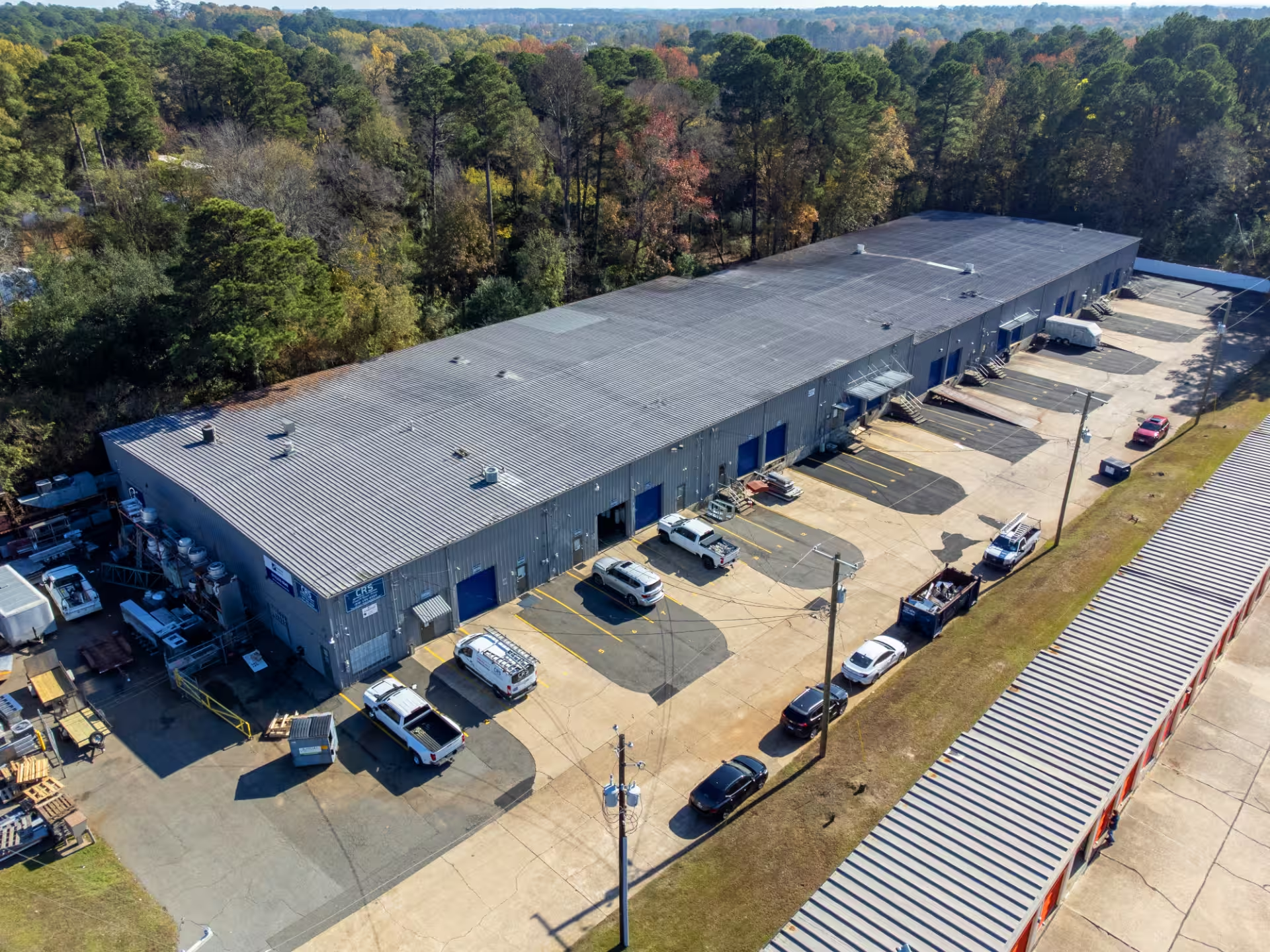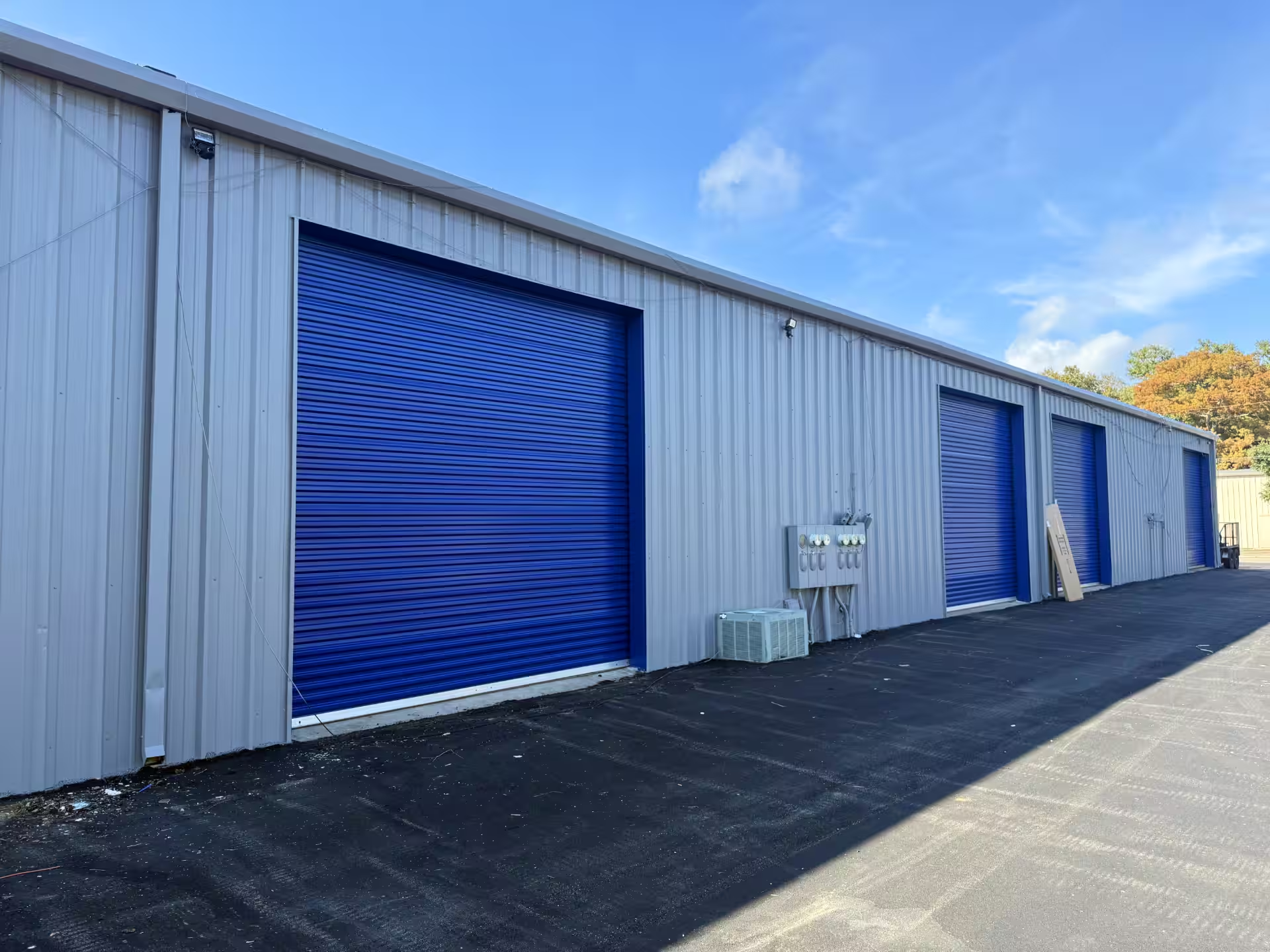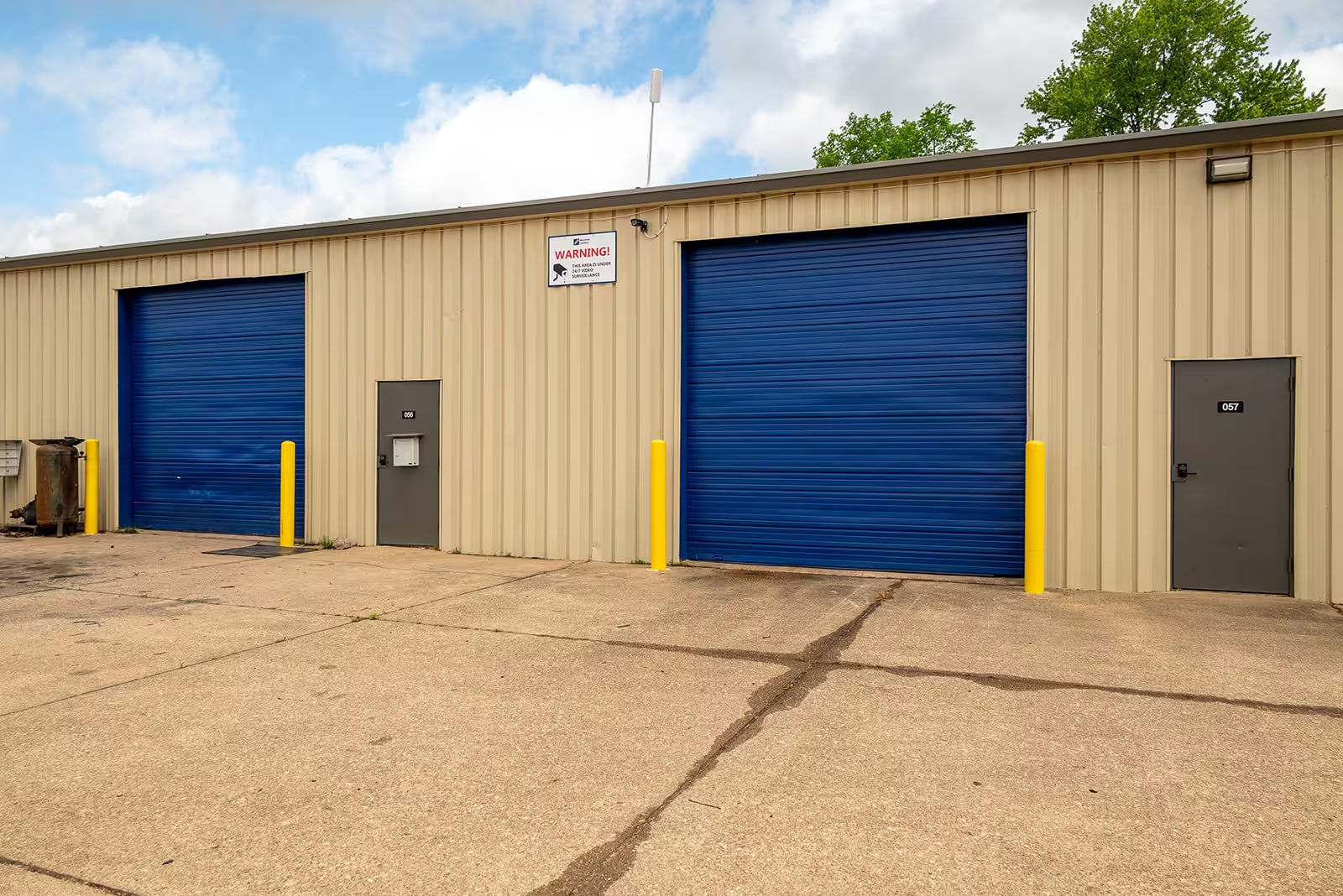
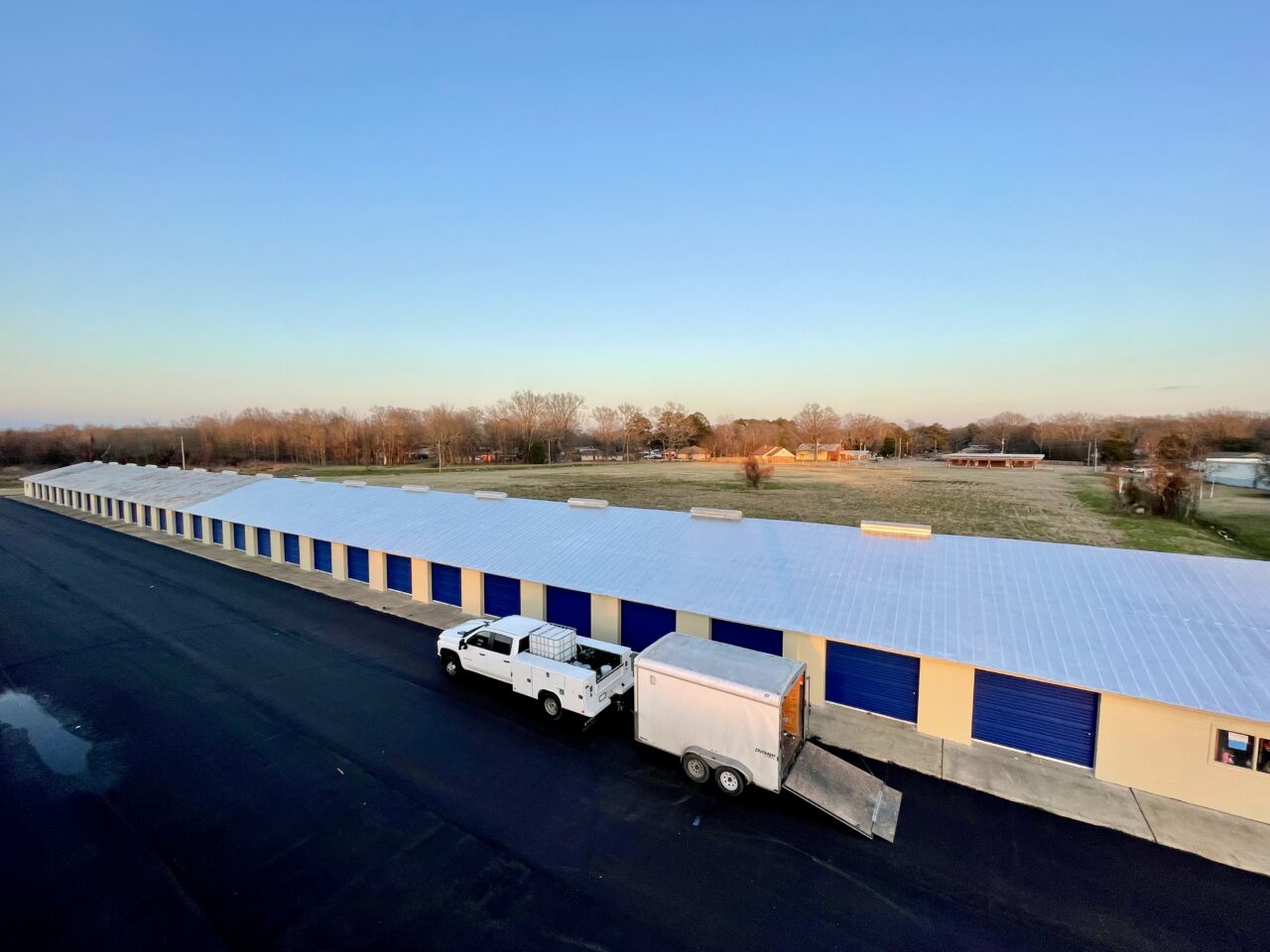
An efficient loading dock is one of the most important parts of any warehouse, distribution center, or industrial facility. A well-designed loading dock helps improve productivity, enhances safety, and reduces delays in daily operations. Whether you’re managing a small warehouse or a large commercial property, optimizing your loading dock setup can make a significant difference in your business operations.
Why a Well-Planned Loading Dock Matters
The loading dock serves as the connection between your facility and transportation vehicles. An organized and properly equipped dock allows goods to move quickly and safely, reducing downtime and minimizing the risk of damage to products or equipment.
An effective loading dock setup can help:
- Improve loading and unloading efficiency
- Reduce workplace accidents
- Protect inventory from damage
- Increase productivity for warehouse staff
- Lower operating costs over time
Essential Components of an Effective Loading Dock
1. Adequate Dock Space
Ensure there is enough room for trucks to maneuver safely and for employees to work without obstruction. Clear traffic patterns help prevent congestion and improve workflow.
2. Quality Dock Equipment
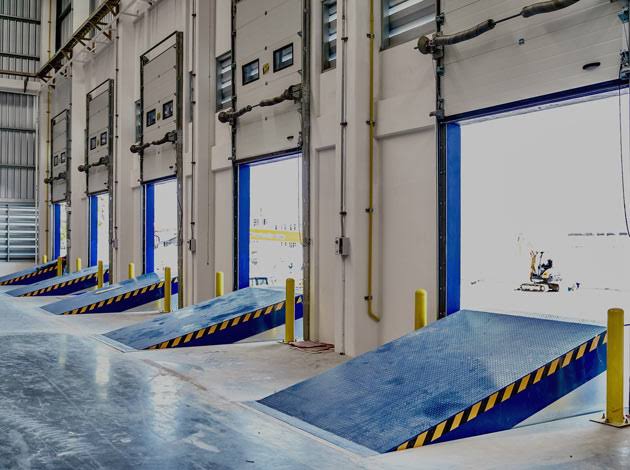
Investing in reliable dock equipment is essential. Common equipment includes:
- Dock levelers
- Dock shelters or seals
- Vehicle restraints
- Dock bumpers
- Safety barriers
- Loading ramps
These features help accommodate different truck heights while improving safety and protecting your facility.
3. Proper Lighting
Good lighting improves visibility during loading and unloading, especially for early morning, evening, or indoor operations. LED lighting is an energy-efficient option that provides bright, consistent illumination.
4. Safety Measures
Safety should always be a priority. Consider implementing:
- Clearly marked pedestrian walkways
- Non-slip dock surfaces
- Wheel chocks or vehicle restraint systems
- Safety signage
- Employee safety training
- Routine equipment inspections
These precautions help reduce the risk of accidents and create a safer work environment.
Organize Traffic Flow
A well-organized traffic plan prevents unnecessary delays. Designate separate areas for incoming and outgoing shipments whenever possible, and use visible signage to direct drivers and warehouse personnel.
Keeping staging areas organized also reduces handling time and helps maintain accurate inventory management.
Maintain Your Equipment
Regular maintenance is essential for keeping your loading dock operating efficiently. Inspect dock levelers, overhead doors, restraints, lighting, and safety equipment on a scheduled basis. Addressing small issues early can help prevent costly downtime and emergency repairs.
Leverage Technology
Modern warehouses are increasingly using technology to improve dock efficiency. Warehouse management systems (WMS), scheduling software, barcode scanners, and digital inventory tracking help coordinate shipments, reduce errors, and improve communication between warehouse staff and drivers.
Choosing the Right Facility
When selecting a commercial or industrial property, consider whether the loading dock meets your operational needs. Features such as multiple dock-high doors, ample truck parking, generous turning space, and convenient highway access can significantly improve logistics and overall efficiency.
Final Thoughts
An effective loading dock setup is more than just a place to load and unload shipments—it’s a key part of a productive supply chain. By investing in proper equipment, prioritizing safety, organizing traffic flow, and maintaining your facility, businesses can improve efficiency while reducing operational costs.
Whether you’re expanding your operations or searching for warehouse space, choosing a facility with a well-designed loading dock can help support long-term business success.