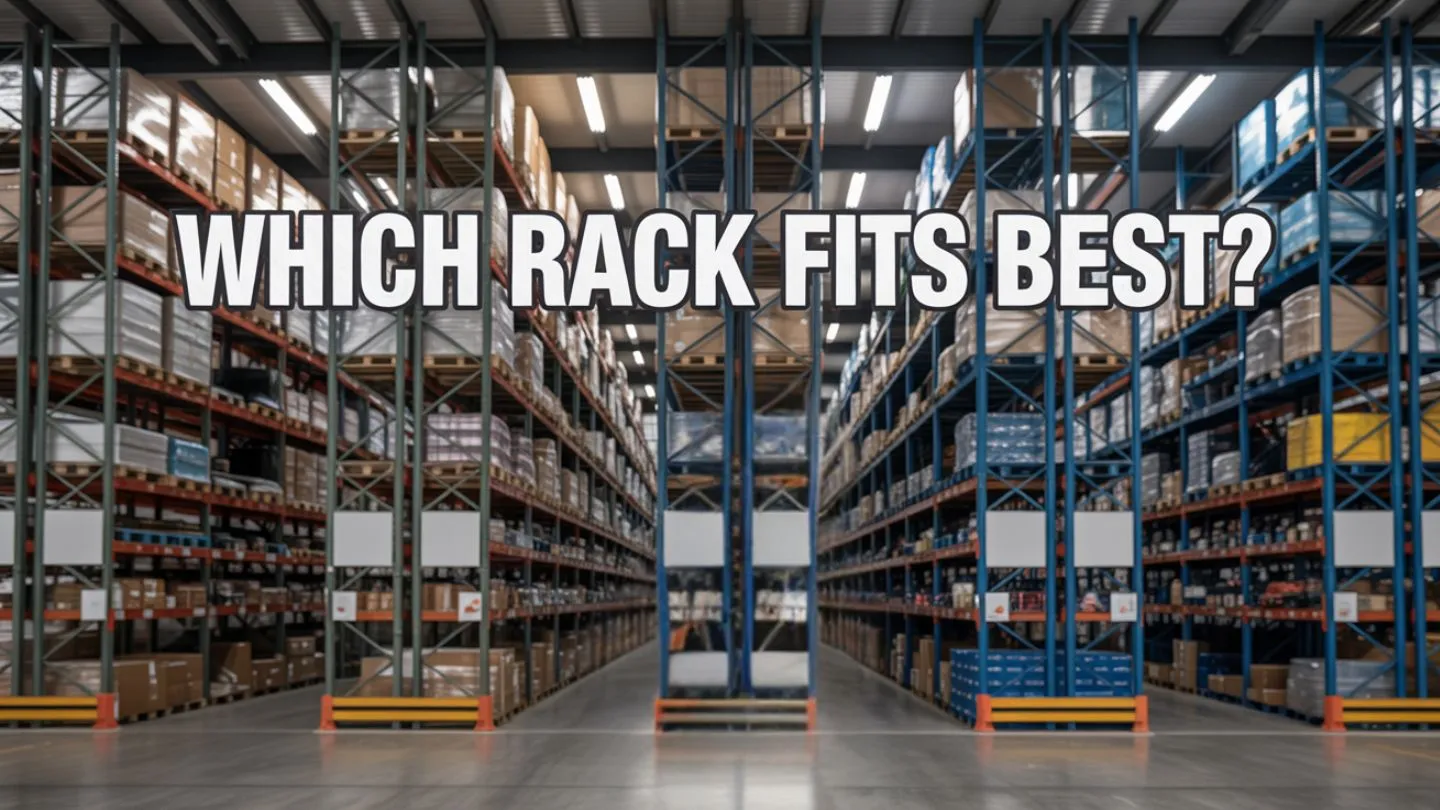
Choosing the right racking system is one of the most important decisions you can make for your warehouse. The right setup maximizes storage capacity, improves efficiency, enhances safety, and ultimately saves money. With various options available, selecting the best system requires a clear understanding of your operations, inventory, and long-term goals.
Why the Right Racking System Matters
A well-designed racking system does more than just store products—it streamlines workflow. Proper racking improves accessibility, reduces picking time, minimizes damage to goods, and ensures compliance with safety standards. On the other hand, the wrong system can lead to wasted space, inefficiencies, and higher operational costs.
Key Factors to Consider
1. Inventory Type and Characteristics
Start by evaluating what you store. Consider:
- Size and weight of products
- Shelf life (perishable vs. non-perishable)
- Fragility
- SKU variety
For example, heavy and bulky items require more robust systems, while smaller, fast-moving goods benefit from systems that allow quick access.
2. Warehouse Space and Layout
Measure your available space, including ceiling height. Vertical storage can significantly increase capacity without expanding your footprint. Also consider:
- Aisle width requirements
- Dock locations
- Traffic flow for forklifts and workers
Efficient layout planning ensures smooth movement and reduces congestion.
3. Inventory Turnover Rate
How often inventory moves in and out of your warehouse plays a crucial role:
- High turnover: Requires easy access systems
- Low turnover: Can use high-density storage solutions
Understanding turnover helps determine whether accessibility or storage density should be prioritized.
4. Handling Equipment
Your choice of forklifts or other handling equipment affects the type of racking you can install. Some systems require specialized machinery, while others work with standard equipment.
5. Budget and Scalability
While cost is always a factor, it’s important to think long-term. Investing in a scalable system allows your warehouse to grow without major redesigns. Balance upfront costs with durability and flexibility.
Common Types of Racking Systems
Selective Pallet Racking
The most widely used system, offering direct access to every pallet. It’s ideal for warehouses with a wide variety of products and moderate turnover rates.
Drive-In and Drive-Through Racking
Designed for high-density storage, these systems allow forklifts to enter the rack structure. Best suited for storing large quantities of similar items.
Push-Back Racking
This system uses a series of nested carts that move along inclined rails. It increases storage density while maintaining relatively easy access.
Pallet Flow Racking
Using gravity rollers, pallets move from the loading side to the picking side. It’s perfect for first-in, first-out (FIFO) inventory management.
Cantilever Racking
Ideal for storing long or irregular items such as pipes, lumber, or steel bars. It provides open-front access without vertical obstructions.
Safety Considerations
Safety should never be overlooked. Ensure your racking system:
- Meets local safety standards
- Is properly installed and anchored
- Includes load capacity labels
- Is regularly inspected and maintained
Training staff on proper usage is equally important to prevent accidents and damage.
Tips for Making the Right Choice
- Conduct a thorough warehouse assessment
- Consult with racking system experts
- Plan for future growth
- Prioritize both efficiency and safety
Final Thoughts
Selecting the right racking system is a strategic investment that directly impacts your warehouse performance. By considering your inventory, space, workflow, and growth plans, you can choose a system that enhances productivity and supports long-term success.
Taking the time to evaluate your options carefully will ensure your warehouse operates at peak efficiency—today and in the future.